
A crown should solve a problem, not create a new one. If you have been quoted a price in the U.S. that feels hard to justify, or you have been told you need multiple restorations at once, looking into dental crowns in Mexico is a practical next step. For many patients, the real question is not whether treatment is available – it is whether they can get dependable care, strong materials, and a smooth experience without overpaying.
That is where the details matter. A well-made crown protects a damaged tooth, restores your bite, and improves appearance. A poorly planned one can lead to discomfort, repeat visits, or failure much sooner than expected. If you are considering treatment across the border, you should know exactly what separates a good value from a risky shortcut.
Why patients look for dental crowns in Mexico
Most people do not start searching for crowns because they want a dental trip. They start because a cracked tooth, a large old filling, a root canal, or worn enamel has to be addressed, and the treatment plan at home is more than they expected. When more than one tooth needs work, the cost can escalate quickly.
For U.S. patients, Mexico is appealing because treatment can be significantly more affordable while still using modern techniques and high-quality materials. But savings alone are not enough. Patients also want convenience, clear communication, and confidence that the work will hold up.
This is especially true for adults coming from California, Arizona, or nearby areas. Driving to a border city like Mexicali can be far easier than arranging flights, hotels, and time away for treatment farther from home. When a clinic is set up to care for American patients, the process tends to feel much more manageable.
What a dental crown should actually do
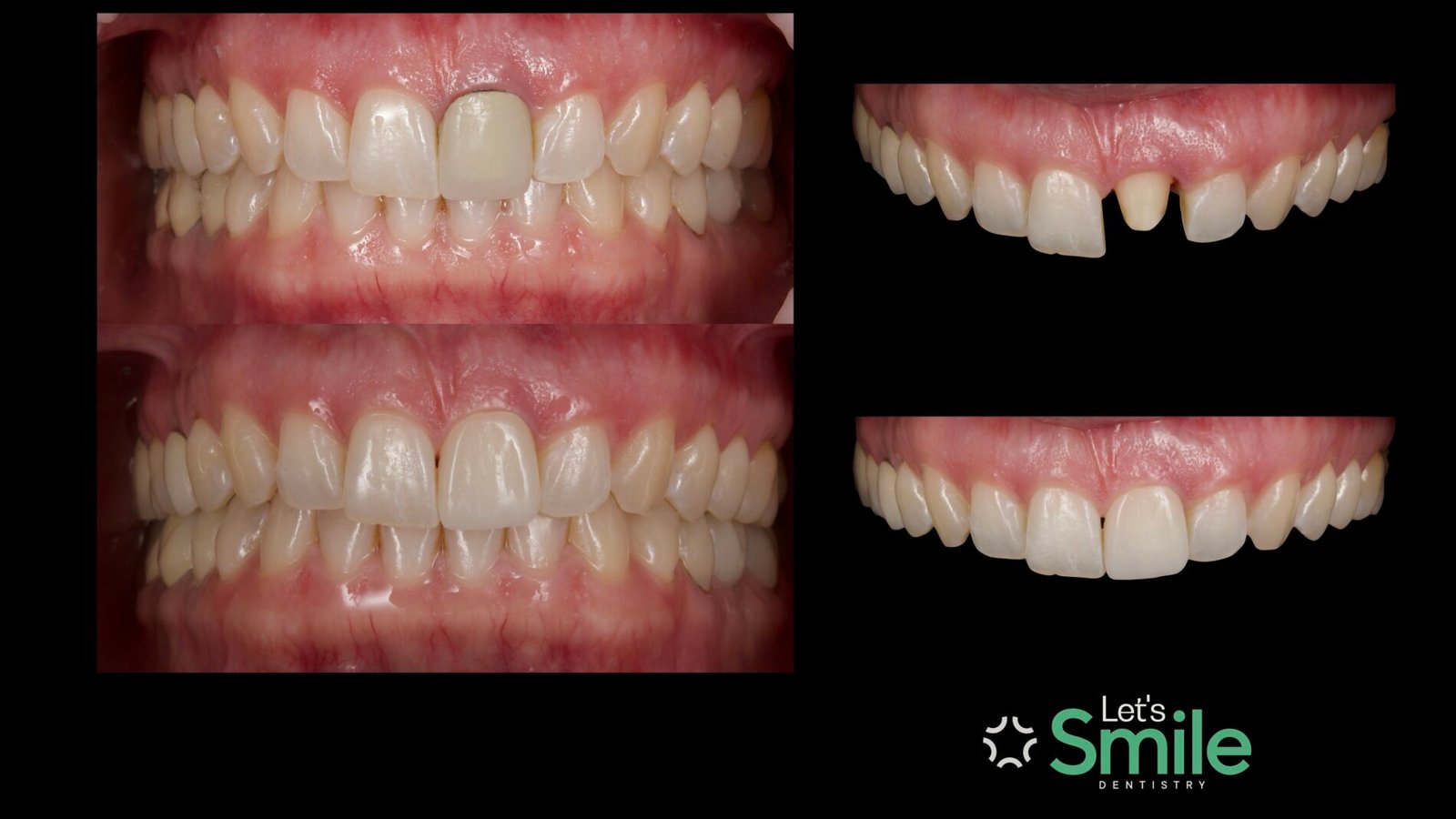
A crown is a custom restoration that covers and protects a tooth that is weakened, broken, heavily filled, or treated with a root canal. It should not just fit over the tooth. It should restore strength, support a comfortable bite, and blend naturally with your smile.
That sounds simple, but proper crown treatment depends on precise tooth preparation, accurate impressions or scans, thoughtful material selection, and careful bite adjustment. A crown that looks fine at first can still be wrong if it traps food, feels high when you bite, or places too much pressure on the tooth or surrounding teeth.
This is why specialist-led treatment and modern technology matter. Good crown work is part engineering, part esthetics, and part long-term oral health planning.
Crown materials matter more than the lowest price
When comparing dental crowns in Mexico, one of the biggest differences between clinics is not the basic procedure. It is the material being used and the quality standards behind it.
Zirconia is a common choice for patients who want strength and durability, especially in back teeth or full-mouth restorative cases. Porcelain and other ceramic options can offer beautiful esthetic results, particularly in visible areas of the smile. Porcelain-fused-to-metal crowns may still be used in some cases, but they are not always the best option if appearance is a major concern.
The right material depends on where the tooth is located, how much bite force it handles, whether you grind your teeth, and what kind of cosmetic outcome you want. A clinic that automatically recommends the same crown for every patient is simplifying a decision that should be individualized.
A lower quote can sometimes reflect older materials, outsourced lab work with less consistency, or rushed planning. That does not mean affordable treatment is lower quality. It means you should ask what material is being used, who is planning the case, and how the crown is designed and checked before placement.
The timeline: one visit, two visits, or more?
One of the first questions patients ask is how long the process takes. The answer depends on the type of crown, the condition of the tooth, and the technology available at the clinic.
Some crowns can be completed quickly when digital systems and efficient lab coordination are in place. Other cases require two visits, especially if the tooth needs additional treatment first. If you need a root canal, build-up, gum treatment, or multiple crowns with bite correction, the timeline may be longer.
That is not a bad sign. In many cases, taking the proper amount of time leads to a better result. The key is knowing the plan before you travel. You should understand whether you are receiving a temporary crown, how long the final crown will take, and whether your case requires follow-up.
For border patients, this planning is critical. A clinic experienced with U.S. dental travelers should be able to explain the sequence clearly and help you understand what can realistically be done in a short stay.
What to look for in a clinic
If you are comparing providers, do not stop at the price sheet. The more important question is whether the clinic is built to deliver predictable restorative care.
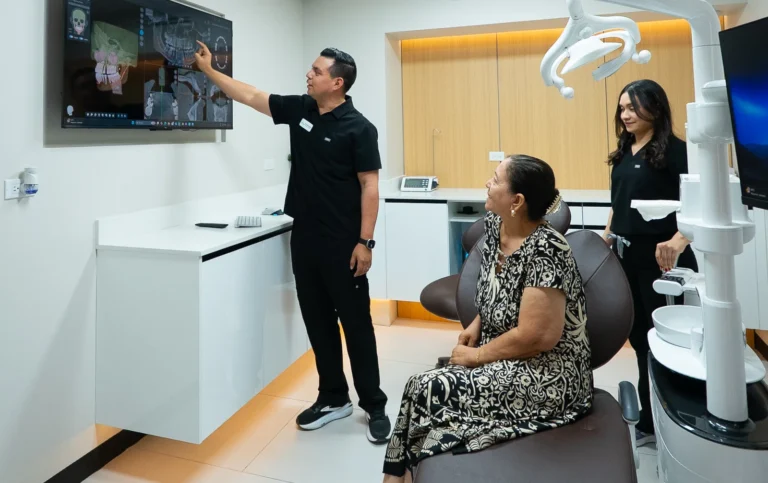
Look at who is actually treating you. Crowns may seem routine, but they often sit within a larger restorative problem that involves bite alignment, prior dental work, fractures, or cosmetic concerns. A team with experience in prosthodontics, restorative dentistry, endodontics, and full-mouth rehabilitation can make better decisions when the case is more complex than it first appears.
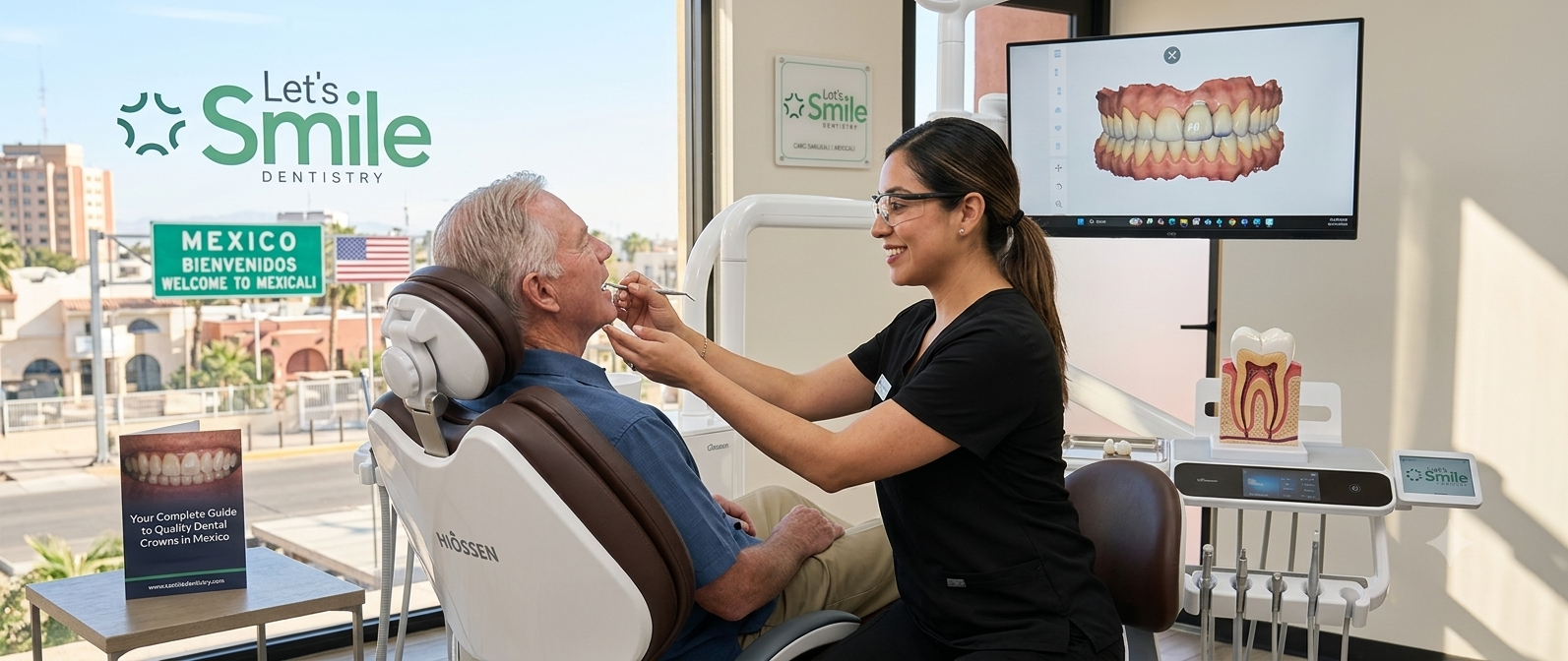
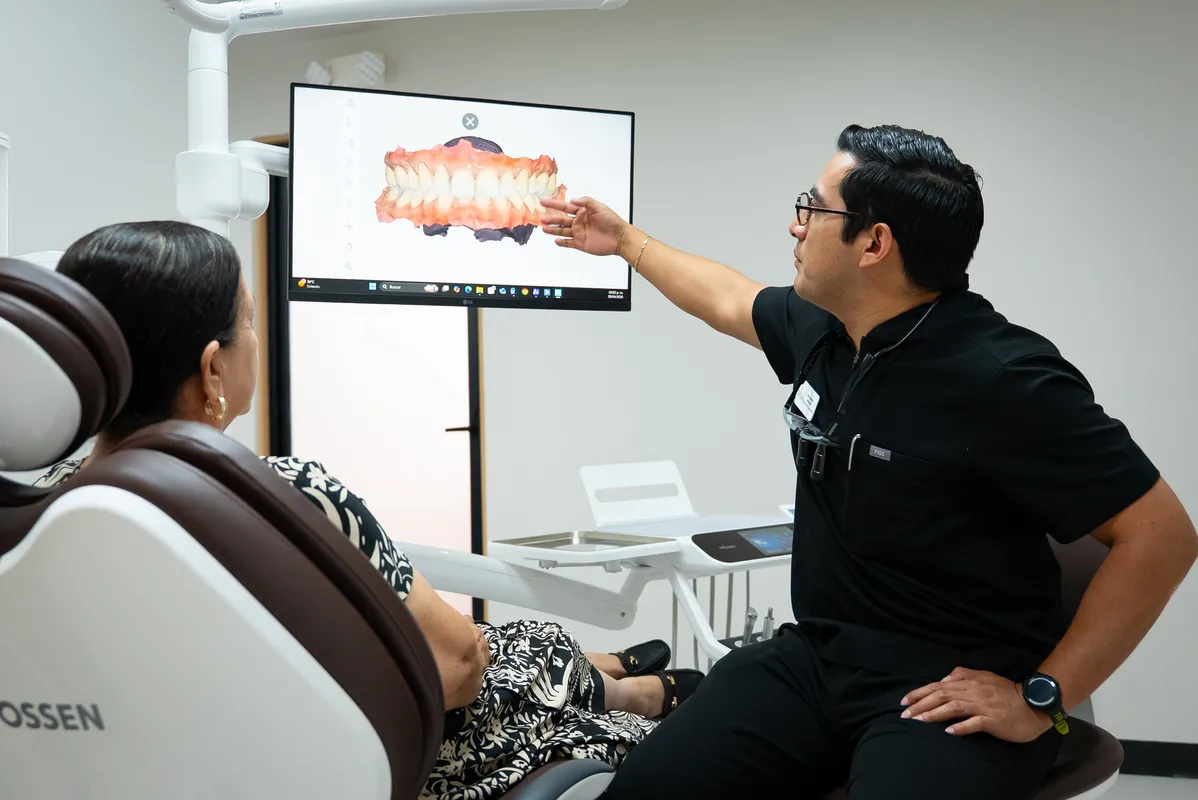
Technology also plays a real role. Digital imaging, modern scanning, quality lab communication, and clear diagnostics help reduce guesswork. So does a process for verifying fit, margins, shade, and bite before the case is finished.
For many U.S. patients, communication is just as important as clinical skill. You should be able to ask direct questions, get answers in English, review pricing in advance, and understand what happens if your tooth needs more than expected once treatment begins.
Cost savings are real, but value is the real goal
There is a reason patients cross the border for crowns. The savings can be substantial compared with many U.S. practices, especially for patients needing several crowns or crowns as part of broader reconstruction. But the smartest patients do not shop for the lowest number. They shop for value.
Value means you know what is included. It means your crown is made from a material appropriate for your case. It means diagnostics are done carefully, the restoration is placed correctly, and your treatment is organized around long-term function rather than getting you out the door quickly.
A crown that fails early is expensive no matter where you had it done. A crown that is planned and delivered properly can save money, preserve your tooth, and spare you future problems.
Why border convenience changes the decision
For many Americans, the biggest barrier is not treatment itself. It is logistics. They worry about where to go, how to communicate, how close the clinic is to the border, and whether the whole process will feel stressful.
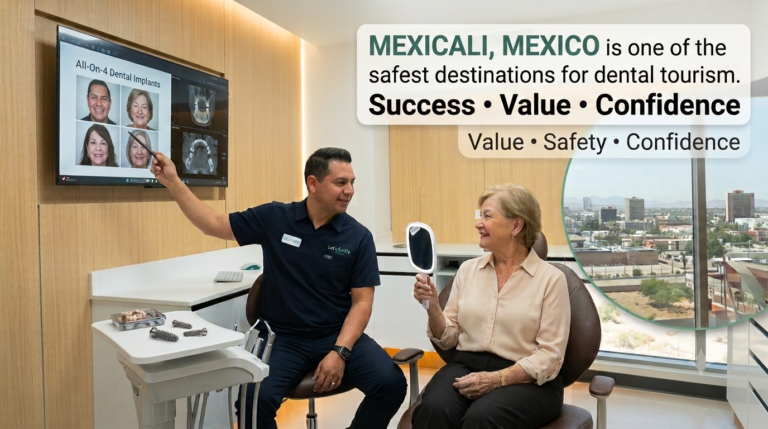
That is why location and patient support matter so much. A clinic in Mexicali that regularly works with U.S. patients can make treatment feel far less complicated than many people expect. Bilingual coordination, transportation assistance, and clear scheduling remove much of the friction that keeps people from moving forward.
At Let’s Smile Dentistry, that cross-border experience is part of the care model, not an afterthought. Patients who need crowns often also need honest guidance on whether they are dealing with a single damaged tooth or a more complete restorative issue. That kind of clarity helps people make good decisions before small problems become bigger, more expensive ones.
Are dental crowns in Mexico right for you?
Sometimes the answer is clearly yes. If you have a damaged tooth, have been delaying treatment because of cost, or need multiple restorations and want high-level care without U.S. pricing, Mexico can be a smart option.
Sometimes it depends. If your schedule is very tight, if your case requires extensive phased treatment, or if you have not yet had a full diagnostic workup, you may need a more detailed consultation before making travel plans. That is normal. Good treatment starts with good case selection.
The best next step is not guessing based on price alone. It is getting a clear diagnosis, understanding your material options, and choosing a clinic that treats crown work as serious restorative dentistry, not a commodity.
A crown should let you eat comfortably, smile confidently, and stop thinking about that tooth every day. If crossing the border gives you access to that level of care with less financial pressure, it may be one of the more practical healthcare decisions you make.