
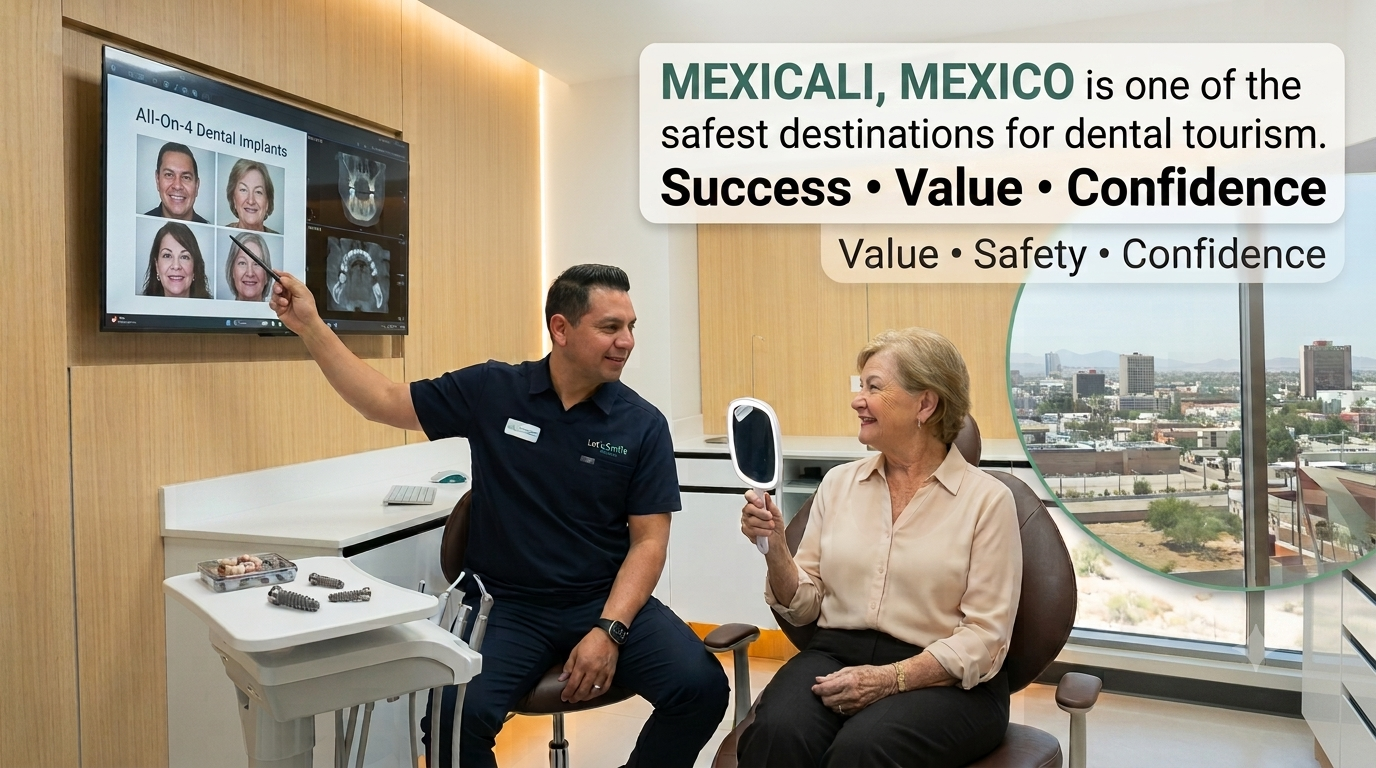
A treatment plan for implants or full-mouth restoration can feel overwhelming enough before you add a second shock – the price. For many Americans, that is the moment the question becomes very real: is it safe to get dental work in Mexico? The honest answer is yes, it can be very safe, but only when you choose a clinic that meets the same standards you would expect at home and gives you clear answers before you ever cross the border.
This is where many patients get stuck. They are not simply looking for lower fees. They want experienced dentists, modern technology, high-quality materials, and a process that does not create more stress than it solves. Safety is not about geography alone. It is about training, systems, sterilization, diagnostics, planning, and follow-through.
Is It Safe to Get Dental Work in Mexico? It Depends on the Clinic
Mexico is not one thing, and dental care there is not one thing either. There are excellent clinics with specialists, digital imaging, strict sterilization protocols, and carefully planned restorative treatment. There are also offices that compete mostly on price and leave important questions unanswered.
That distinction matters. A crown, root canal, or implant is not automatically safe because it is affordable, and it is not automatically unsafe because it is outside the United States. The right question is whether the clinic has the credentials, technology, materials, and patient support needed to deliver predictable care.
For patients considering complex work such as dental implants, All-on-4, full arch restoration, or full mouth rehabilitation, the margin for error is smaller. These treatments require detailed diagnostics, bite planning, surgical experience, and a clear timeline. If a provider cannot explain that process in plain English, that is a red flag.
What Actually Makes Dental Care Safe
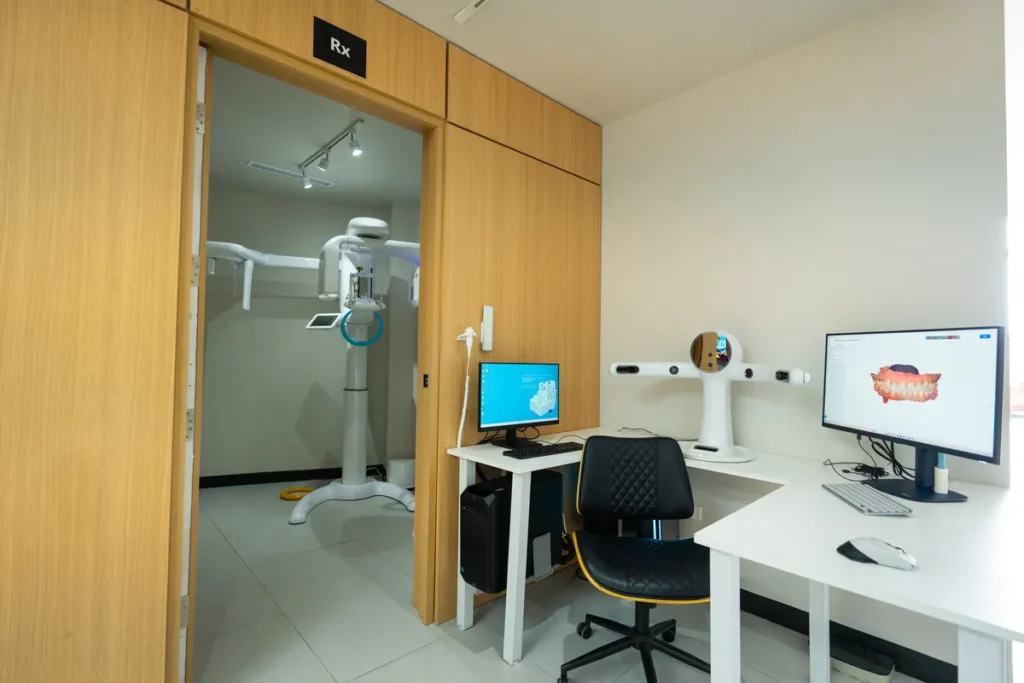
Safety starts with diagnosis. Before any major treatment, a reputable clinic should perform a full evaluation, which may include digital X-rays, 3D CBCT imaging, photographs, and a clinical exam. That level of planning helps identify bone loss, infection, sinus position, nerve location, bite issues, and other factors that affect outcomes.
The next layer is provider expertise. General dentistry and specialty dentistry are not the same. If you need implants, oral surgery, endodontics, cosmetic rehabilitation, or a complex restorative case, you want to know who is doing each part of the work and what training they have. A trustworthy clinic does not stay vague about this. It tells you who is treating you, what their role is, and why that matters.
Sterilization and infection control are equally important. Patients often focus on the procedure and forget the systems behind it. A safe clinic should follow strict instrument sterilization, use appropriate barriers and disposables, and maintain clean, organized operatories. If the office environment feels chaotic or shortcuts appear normal, pay attention.
Materials also matter more than many people realize. A dental crown or implant restoration is only as reliable as the material and lab quality behind it. Patients coming from the US usually want to know whether a clinic uses internationally recognized implant systems, durable restorative materials, and modern fabrication methods. That is a reasonable question, and you should ask it directly.
The cost difference is real, especially for implants, crowns, veneers, and full-mouth cases. But price alone is not what drives most serious patients to seek treatment across the border. They are often trying to solve a bigger problem: they need comprehensive care, and they need it in a way that feels financially possible.
Many US patients also appreciate the efficiency. In the right setting, consultation, imaging, specialist evaluation, and treatment planning can be coordinated quickly. That is especially valuable for people who have been delaying care because they are tired of being referred from office to office.
Border-city clinics can make the process even easier. When a clinic is located minutes from the US border and is built around American patients, travel becomes far less intimidating. Bilingual communication, transportation support, lodging coordination, and transparent pricing remove a lot of the uncertainty that people usually associate with dental tourism.
How to Tell if a Mexican Dental Clinic Is Trustworthy
Start with transparency. A good clinic should be willing to discuss credentials, treatment options, expected outcomes, materials, timing, and total costs without pressure. If you receive a quote that seems unusually low but comes with few details, be cautious. Dentistry is medical care, not bargain hunting.
Next, look at how the treatment is explained. A serious provider will talk about diagnosis, risks, healing, temporary restorations if needed, and what happens after the procedure. For example, with implants, you should understand whether extractions are needed, whether bone grafting is likely, how long healing may take, and when the final teeth are placed. If the explanation is too simple for a complex case, that is not convenience – it may be incomplete planning.
Patient communication is another strong signal. Americans traveling for care need clear expectations before arrival. That includes what records to bring, how many visits may be required, how long each visit will take, and what recovery will look like. Clinics that are experienced with cross-border patients usually have this process well organized because they know travel is part of the treatment experience.
You should also pay attention to whether the clinic seems designed for continuity of care. Not every procedure is one-and-done. Crowns may need bite checks. Root canals may need follow-up evaluation. Implant cases often happen in phases. A safe provider plans beyond the appointment itself.
The Real Risks to Think About
There are risks with dental treatment anywhere, including in the US. Infection, failed restorations, poor bite alignment, broken temporaries, implant complications, and unclear aftercare are not uniquely Mexican problems. What changes is how well a clinic prevents them and how effectively it responds if something needs adjustment.
One practical concern is follow-up. If you live in California, Arizona, or another nearby state, returning for a check or next phase of treatment may be straightforward. If you are flying in from farther away, timing matters more. This is why honest treatment planning is so important. You want a provider who respects your schedule and does not oversimplify the number of visits required.
Another trade-off is that not every patient is a candidate for rushing treatment. Some cases need healing time between phases. Some infections or bone conditions call for a staged approach rather than same-day promises. Good dentistry is not about doing everything fast. It is about doing the right treatment at the right time.
Is It Safe to Get Dental Work in Mexico for Implants and Full-Mouth Cases?
Yes, it can be, and many Americans safely choose Mexico for advanced procedures every year. But implants and full-mouth reconstructions are exactly the treatments where provider selection matters most. These cases involve surgery, prosthetic design, long-term bite function, esthetics, and ongoing maintenance.
For that reason, patients should look for a clinic that approaches complex care in a specialist-led, technology-driven way. CBCT imaging, digital planning, quality implant systems, and careful restorative protocols are not luxuries in these cases. They are part of doing the work responsibly.
At a clinic such as Let’s Smile Dentistry in Mexicali, the value for US patients is not just lower cost. It is the combination of specialist care, modern equipment, bilingual support, and a location built around cross-border convenience. That model addresses the question patients are really asking, which is not just “Can I save money?” but “Can I trust this process with my health, comfort, and long-term result?”
Questions You Should Ask Before You Book
Before committing to treatment, ask who will perform your procedure, what diagnostics are included, what materials will be used, how many visits are expected, and what the total fee covers. Ask what happens if additional work is needed once imaging is reviewed. Ask how aftercare is handled and what support is available if you have questions when you return home.
A strong clinic will not be annoyed by these questions. It will welcome them. Patients making major dental decisions deserve honest, expert guidance, especially when travel is involved.
The safest choice is rarely the cheapest quote on the screen. It is the clinic that treats your case with seriousness, explains your options clearly, and makes you feel informed instead of rushed. If a provider can do that while offering excellent value and easier access to advanced care, then crossing the border may feel less like a gamble and more like a smart, well-supported decision.
If you are considering treatment in Mexico, trust the details more than the marketing. The right clinic will make safety visible at every step, and that peace of mind is worth just as much as the savings.