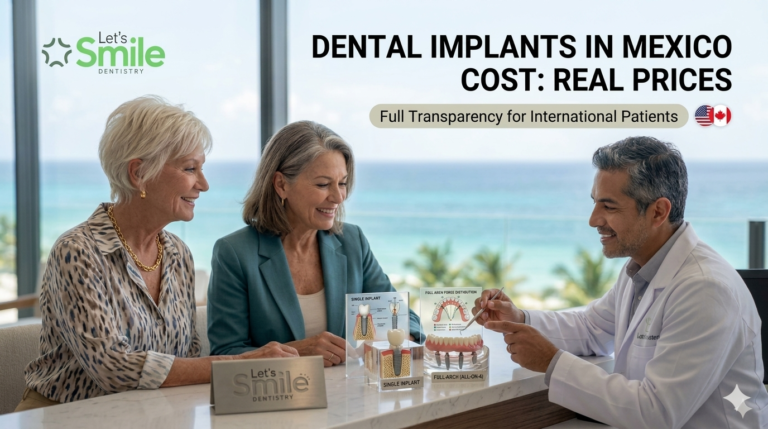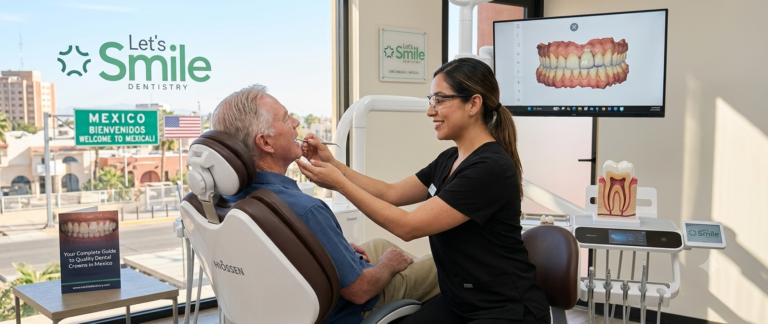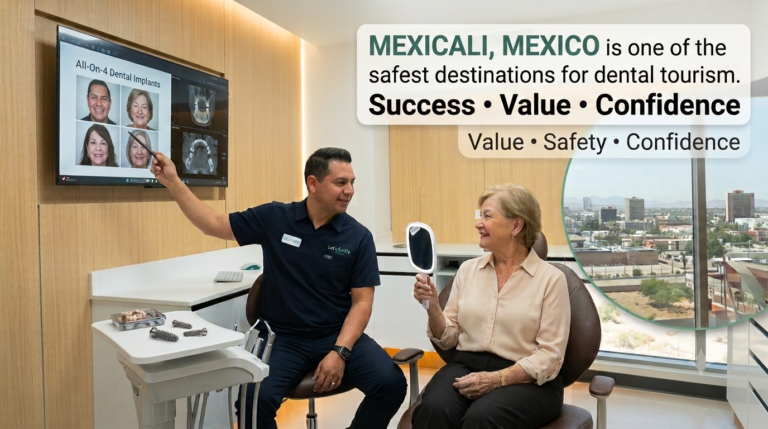

When a dentist tells you that you need implants, crowns, extractions, bite correction, and possibly bone grafting, the issue is no longer a simple dental visit. It becomes a life decision. For many patients, full mouth reconstruction Mexico becomes part of that decision because the treatment is extensive, the stakes are high, and U.S. pricing often puts care out of reach.
A true full mouth reconstruction is not one procedure. It is a carefully sequenced plan to rebuild oral health, restore function, and improve appearance across the entire mouth. That may include dental implants, full arch restorations, crowns, bridges, root canal therapy, periodontal treatment, veneers in select cases, or replacing failing dental work that has reached the end of its lifespan. The right plan depends on what is damaged, what can still be saved, and how your bite functions as a whole. When the plan involves replacing every tooth with implants, the numbers change again, and it helps to see what full-mouth implant treatment costs before comparing quotes.
What full mouth reconstruction in Mexico actually means
Patients often use terms like smile makeover, implants, and full mouth reconstruction interchangeably, but they are not the same. A smile makeover is usually cosmetic. Full mouth reconstruction is restorative first. The goal is to make the mouth healthy, stable, comfortable, and usable again.
That distinction matters because treatment decisions should not be driven by appearances alone. If you have worn teeth, multiple missing teeth, advanced decay, old crowns that are failing, jaw discomfort, or a collapsed bite, the case needs more than cosmetic planning. It needs a comprehensive diagnosis led by experienced clinicians who understand occlusion, implant planning, restorative design, and long-term function.
For many U.S. patients, Mexico enters the conversation when they realize the amount of dentistry involved. A treatment plan can quickly move into the tens of thousands of dollars in the United States, especially when specialists are involved. That leads people to ask a reasonable question: can they receive serious, specialist-led care across the border without sacrificing quality or safety?
Why patients look at full mouth reconstruction Mexico
The short answer is value, but value is not just a lower fee. In complex dentistry, value means getting the right treatment plan, strong clinical standards, quality materials, and a process that does not add unnecessary stress.
That is why border-based dental care appeals to patients from California, Arizona, and beyond. If a clinic is located minutes from the border, offers bilingual communication, and helps coordinate transportation and lodging, the treatment becomes far more practical than many people expect. Instead of navigating an unfamiliar international experience on your own, you can move through a guided process built for U.S. patients.
Cost still matters, of course. Major restorative work is expensive because it combines surgery, lab work, diagnostics, specialist oversight, and multiple appointments. Mexico can lower that financial barrier significantly. But lower pricing only helps if the clinic also maintains high standards in imaging, treatment planning, sterilization, materials, and prosthetic design. That is where patients should focus their attention.
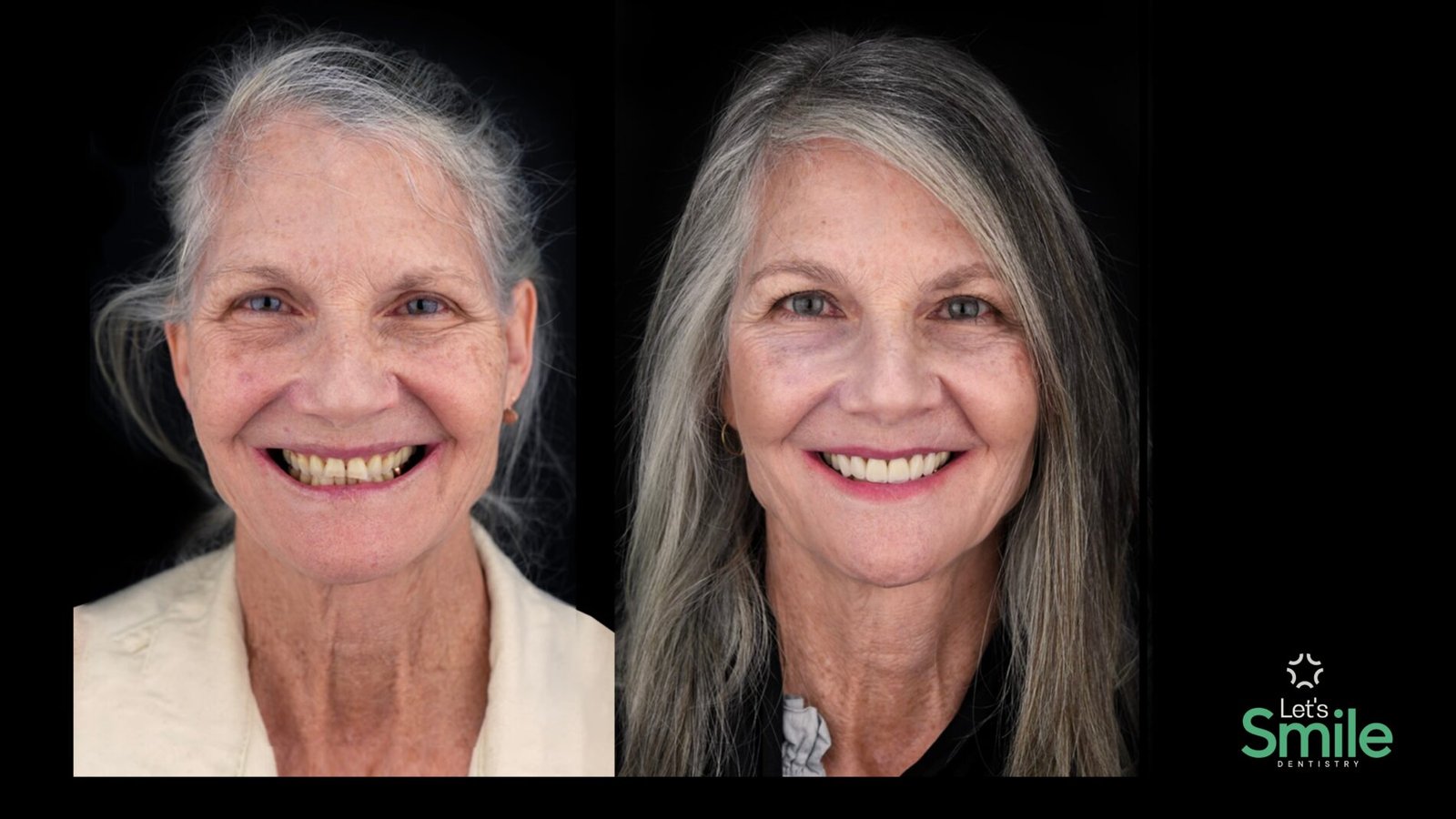
Who is a candidate for full mouth reconstruction in Mexico
Most patients who explore this option are dealing with more than one problem at the same time. They may have several missing teeth, widespread wear from grinding, old dental work that keeps breaking, untreated infection, or cosmetic concerns tied to underlying structural issues.
Some have reached a point where eating is difficult. Others are embarrassed to smile or avoid photos and social events. Many are managing chronic discomfort while trying to postpone treatment because the original estimate in the U.S. felt impossible.
A good candidate is not defined only by budget. A good candidate is someone who needs comprehensive care and is willing to go through a proper diagnostic process. In some cases, teeth can be preserved with crowns, root canals, and periodontal therapy. In others, full arch implant treatment may be the more predictable long-term option. There is no honest one-size-fits-all answer.
What treatment may include
A full mouth reconstruction plan can involve many combinations of care. One patient may need implant-supported bridges in the back and crowns in the front. Another may need extractions and All-on-4 or All-on-6 treatment on one or both arches. Someone else may need bone grafting, provisional restorations, and staged rehabilitation to rebuild bite height safely.
This is why the consultation is so important. A quality provider will assess bone levels, gum health, tooth structure, bite relationship, jaw function, and your overall medical history before recommending treatment. Digital imaging and careful records are not optional in this kind of case. They are the foundation of good planning.
Patients should also expect a conversation about trade-offs. Saving natural teeth can be worthwhile, but only if those teeth are structurally sound enough to justify the investment. Full arch implants can be life-changing, but they are still surgery and require maintenance. Crowns can restore badly worn teeth, but if the bite is unstable, crowns alone may not solve the bigger issue. Honest guidance means looking at what will last, not just what can be done quickly.
How the process usually works
Most full mouth cases happen in phases. The first phase is diagnosis and planning. This includes exams, imaging, photos, and a full review of symptoms, goals, and budget. Once the treatment sequence is clear, the next phase may involve disease control, such as removing infection, treating gums, or extracting unsalvageable teeth.
After that, reconstruction begins. Depending on the case, this may include implant placement, temporaries, crown preparation, bite adjustment, or delivery of a fixed full arch restoration. Some treatments can be completed relatively quickly, while others require healing time between stages.
That timeline is one reason many U.S. patients prefer clinics that routinely coordinate cross-border care. When appointments need to be efficient and well organized, experience matters. Travel support, clear scheduling, and bilingual communication reduce friction during a process that already asks a lot from the patient.
What to look for in a provider
If you are comparing clinics for full mouth reconstruction Mexico, credentials and systems matter more than marketing. Complex dentistry should be planned and delivered by professionals with advanced training in the relevant disciplines, not treated like a commodity.
Look for a clinic that explains who is leading your case, what technology is used for diagnosis and planning, what materials are used in the final restorations, and how complications or adjustments are handled. Ask whether your treatment is being designed around long-term bite stability and maintenance, not just immediate appearance.
You should also pay attention to how the clinic communicates. If pricing is vague, treatment recommendations feel rushed, or your questions are brushed aside, that is a warning sign. Serious providers are transparent because they understand that trust is part of the treatment.
For border-area practices such as Let’s Smile Dentistry in Mexicali, one advantage is that care can be both highly accessible and highly coordinated. That matters when your treatment is too important to leave to guesswork.
Cost, quality, and the real trade-offs
Patients are right to compare price, but the cheapest option is not always the smartest one. In full mouth reconstruction, low pricing can hide shortcuts in diagnostics, lab work, materials, or follow-up support. A restoration that looks acceptable on day one can become expensive if the bite is off, the prosthetic fractures, or underlying disease was never fully treated.
The better question is not, what is the lowest price? It is, what am I receiving for the investment? A strong clinic will help you understand the scope of work, the materials being used, the expected lifespan of the restorations, and the maintenance required after treatment.
This is also where proximity matters. Choosing a clinic near the U.S. border can make follow-up far easier than traveling deep into the country for major dental work. For many patients, that convenience is part of the value equation.
Is it safe to get major dental work in Mexico?
It can be, provided you choose carefully. Mexico has excellent dental providers, especially in medical tourism corridors, but standards vary from one practice to another just as they do in the United States.
Safety comes from the quality of the clinic, not the country alone. You want a team that uses modern diagnostics, maintains clear sterilization protocols, communicates in fluent English, and treats comprehensive rehabilitation as a specialist-driven process. If you feel pressured into a treatment you do not understand, step back.
The best clinics make patients feel informed, not sold. They explain why a treatment is recommended, where the uncertainties are, and what alternatives exist. That kind of conversation is especially important when the case involves your whole mouth.
If you have been living with failing teeth, pain, or a treatment plan you thought you could never afford, there may be a path forward that feels both practical and high quality. The right full mouth reconstruction is not about getting more dentistry. It is about finally getting your health, function, and confidence back with a plan you can realistically follow through on.